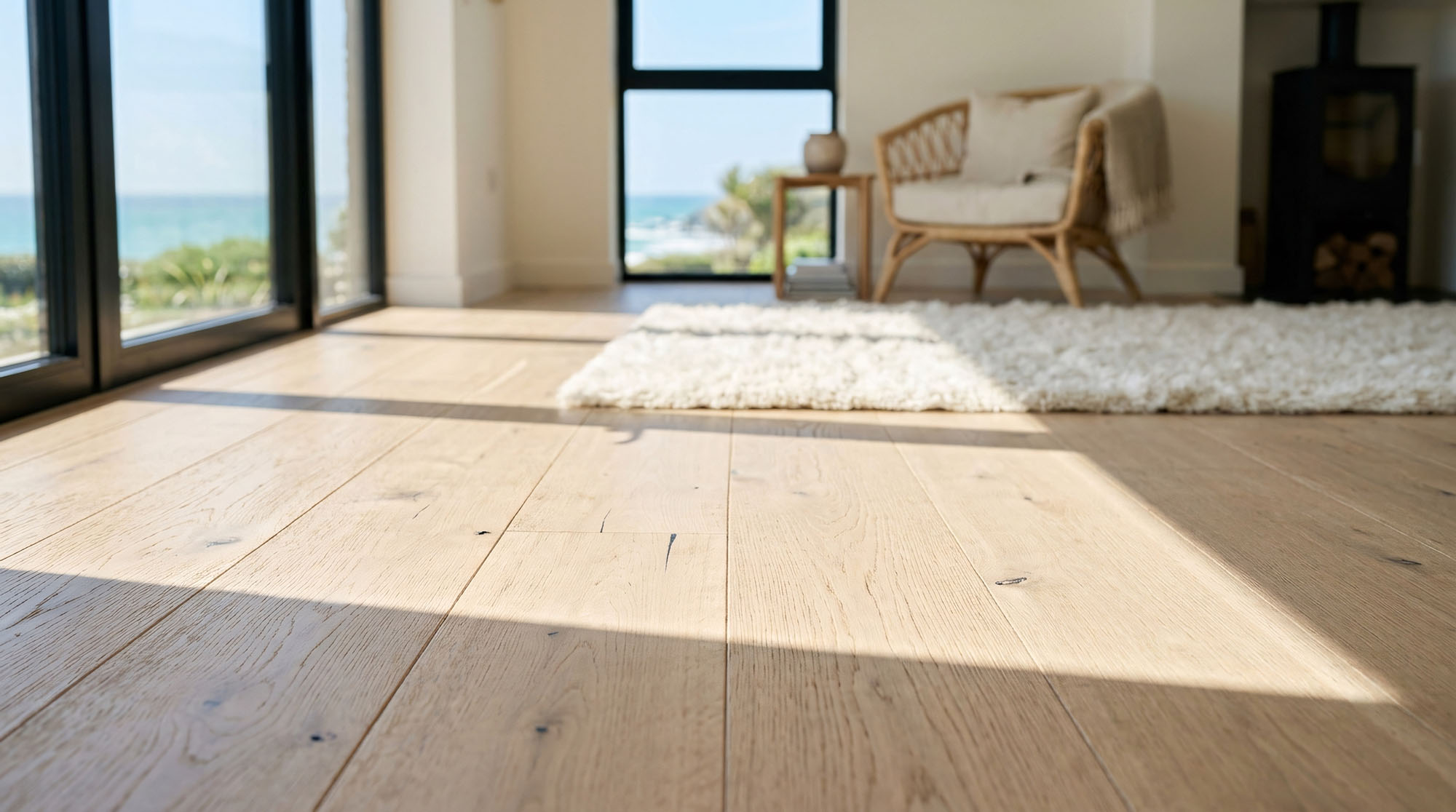
Hardwood flooring has a familiar appeal, but the way it is arranged can change the entire personality of a room. A traditional straight-plank installation creates a calm, continuous appearance, while more decorative patterns can introduce movement, craftsmanship, and a stronger architectural presence. For homeowners who want something distinctive without relying on bold wall colors or elaborate decoration, the layout of the floor itself can become the defining design feature.
Patterned hardwood is attracting renewed interest as homeowners look for interiors that feel individual and thoughtfully designed. Herringbone and chevron layouts, wide planks, and natural finishes offer different ways to give a floor more character. These choices can work in both traditional and contemporary homes, provided the pattern is appropriate for the room's proportions and the flooring product.
In Shelburne and the surrounding Vermont communities, hardwood can complement a wide range of residential architecture. From older homes with traditional details to newer spaces with open layouts, the right plank size and installation pattern can help establish the atmosphere of an interior.
The Timeless Appeal of Straight-Plank Hardwood
Straight-plank flooring remains a popular choice because it is versatile and allows the natural appearance of the wood to take priority. Boards are installed in parallel rows, creating a consistent visual rhythm that works with almost any interior style.
This layout can make an open room feel orderly and connected. It also allows homeowners to appreciate the grain, knots, and color variation of the selected species without introducing a more complex pattern.
The direction of the boards can influence how a room is perceived. Running planks along the length of a room may emphasize its proportions, while another orientation may work better with the main entrance or architectural sightlines. The subfloor, room shape, and installation requirements should also influence the decision.
Straight-plank hardwood is not a basic or uninspired choice. With wide boards, a natural finish, and a carefully selected wood species, it can create a sophisticated foundation that remains relevant beyond short-term design trends.
Herringbone: A Pattern With Movement and Character
Herringbone is created by arranging rectangular boards in alternating directions so that the ends meet at right angles. The resulting pattern resembles a continuous zigzag or woven arrangement. It has a long history in architecture and interior design and can introduce a sense of craftsmanship into a modern home.
The pattern works particularly well in entryways, dining rooms, and living spaces where the floor can be appreciated as a feature. It can also be used in larger areas to establish a distinctive visual foundation without relying on a different material.
Herringbone can feel traditional when paired with darker wood tones, detailed trim, and classic furnishings. In a lighter natural finish, it can look more contemporary and understated. This flexibility makes it an interesting option for homeowners who want a pattern that does not dictate one particular decorating style.
However, herringbone requires more planning and installation precision than a straightforward layout. The starting point, alignment, board dimensions, and perimeter cuts all influence the finished result. The pattern should be planned in relation to the room rather than simply started along the nearest wall.
Herringbone Versus Chevron: Understanding the Difference
Herringbone and chevron are sometimes confused because both create a repeated V-shaped appearance. The difference lies in how the individual boards meet.
In a herringbone pattern, rectangular boards are installed at right angles, with the end of one board meeting the side of another. The resulting pattern has a broken zigzag appearance.
Chevron uses boards cut at an angle so that their ends meet to form continuous points. This creates a more uninterrupted V-shaped pattern that can look especially striking in a hallway or larger room.
Neither design is automatically better. Herringbone often has a more traditional, woven character, while chevron can appear more formal and geometric. The right choice depends on the architecture of the home, the desired visual effect, and the product available.
Both patterns require careful layout planning and may involve more material waste and labor than a straight installation. Homeowners should discuss the additional planning and installation considerations before choosing a decorative layout.
Wide Planks: Letting the Natural Grain Take Center Stage
Wide-plank hardwood offers another way to create a distinctive floor without introducing an intricate pattern. Wider boards reveal more of the wood's natural grain and variation, giving the surface a more open and less repetitive appearance.
In larger living spaces, wide planks can create a sense of continuity and make the floor feel like a more substantial architectural element. They also work well in interiors that emphasize natural materials, simple furniture, and understated decoration.
White oak is one option that can suit this style because of its adaptable grain and range of finish possibilities. Other species can provide stronger variation or a different visual character. The best selection depends on the atmosphere the homeowner wants to create.
Wide planks do require consideration of the installation environment. Board dimensions, wood construction, moisture conditions, and manufacturer requirements can all influence suitability. The installer should evaluate the product and subfloor before confirming the layout.
Warm Tones and Low-Sheen Finishes
Current hardwood design preferences are moving toward natural and warmer colors. Honey oak, soft wheat, warm beige, and medium brown shades are becoming appealing alternatives to the cool gray finishes that once dominated many interiors.
These colors can complement the materials commonly found in Vermont homes, including natural stone, painted trim, exposed beams, and wood furniture. They can also create a welcoming atmosphere during the darker months when interior lighting plays a larger role in how a room feels.
Matte and low-sheen finishes are another popular direction. They allow more attention to remain on the wood grain and create a softer appearance than highly reflective surfaces. Wire-brushed finishes can add texture and emphasize the natural characteristics of the material.
When selecting a finish, consider how the floor will interact with natural light. A room with large windows may show different levels of reflection throughout the day. Samples should be viewed in the actual space alongside the existing wall colors, cabinets, and furniture.
Which Pattern Works Best in a Small Room?
Pattern selection should take the dimensions and shape of the room into account. A detailed herringbone layout can create a striking feature in a smaller entryway or dining area, but the scale of the boards and the complexity of the pattern need to be considered carefully.
In a narrow hallway, a chevron or herringbone pattern may guide the eye along the length of the space. Straight planks can also work well when their direction is chosen to complement the room's proportions.
In a compact living room, wide planks with a relatively quiet grain pattern may create a more relaxed appearance. Too many competing visual details can make a small space feel busy, so the relationship between the floor, furniture, and wall finishes matters.
There is no universal rule that a small room must use narrow boards or a large room must use wide ones. The most effective layout is the one that works with the actual dimensions and architectural features.
Use Pattern to Define Different Areas in an Open Floor Plan
Open-concept homes can benefit from flooring that introduces subtle visual boundaries. A consistent straight-plank floor may connect the kitchen, dining area, and living room, while a patterned section can help distinguish an entryway or another special area.
For example, a herringbone entry can create a sense of arrival before transitioning into straight-plank flooring in the main living space. This approach adds character without requiring a completely different material.
However, changes in pattern need to be planned carefully. The transition should look intentional, and the floor height, board direction, and installation details should be coordinated. Not every product or construction is suitable for every combination.
Furniture and rugs can provide additional definition without changing the flooring. In many homes, the most successful design is one that uses a consistent material while allowing individual spaces to have their own character.
Understand the Installation Requirements
Decorative hardwood patterns require more detailed planning than standard straight installations. The installer must establish accurate reference lines and ensure that the pattern remains aligned throughout the room. Even small inaccuracies can become noticeable as the pattern repeats.
The subfloor must be suitable for the chosen product and installation method. Moisture conditions, flatness, and structural considerations should be evaluated before work begins. The manufacturer's instructions should determine the correct installation approach.
Homeowners should also consider the additional material requirements of patterned layouts. Angled cuts and perimeter details can result in more waste than a straight-plank installation. The amount depends on the pattern, room shape, and board dimensions.
These details are not reasons to avoid patterned hardwood. They simply highlight the importance of selecting a product and installation plan that can achieve the intended result.
Make the Floor Part of the Architecture
Hardwood flooring can be more than a background surface. Straight planks create a timeless foundation, wide boards emphasize natural grain, and patterns such as herringbone and chevron introduce movement and craftsmanship. The right combination of layout, species, color, and finish can help the floor feel like an integral part of the home's architecture.
Explore the hardwood flooring collection at Elegant Floors to compare available styles and finishes. If you are considering a patterned installation or would like help selecting hardwood for a particular room, visit the contact page to discuss your project.
Whether you are adding character to a Shelburne home, planning a renovation in Colchester, refreshing an interior in South Burlington, or considering a new floor in Charlotte or Williston, the right hardwood layout can give your space a distinctive foundation. With thoughtful planning and professional installation, a patterned or wide-plank floor can become a lasting feature of your home.