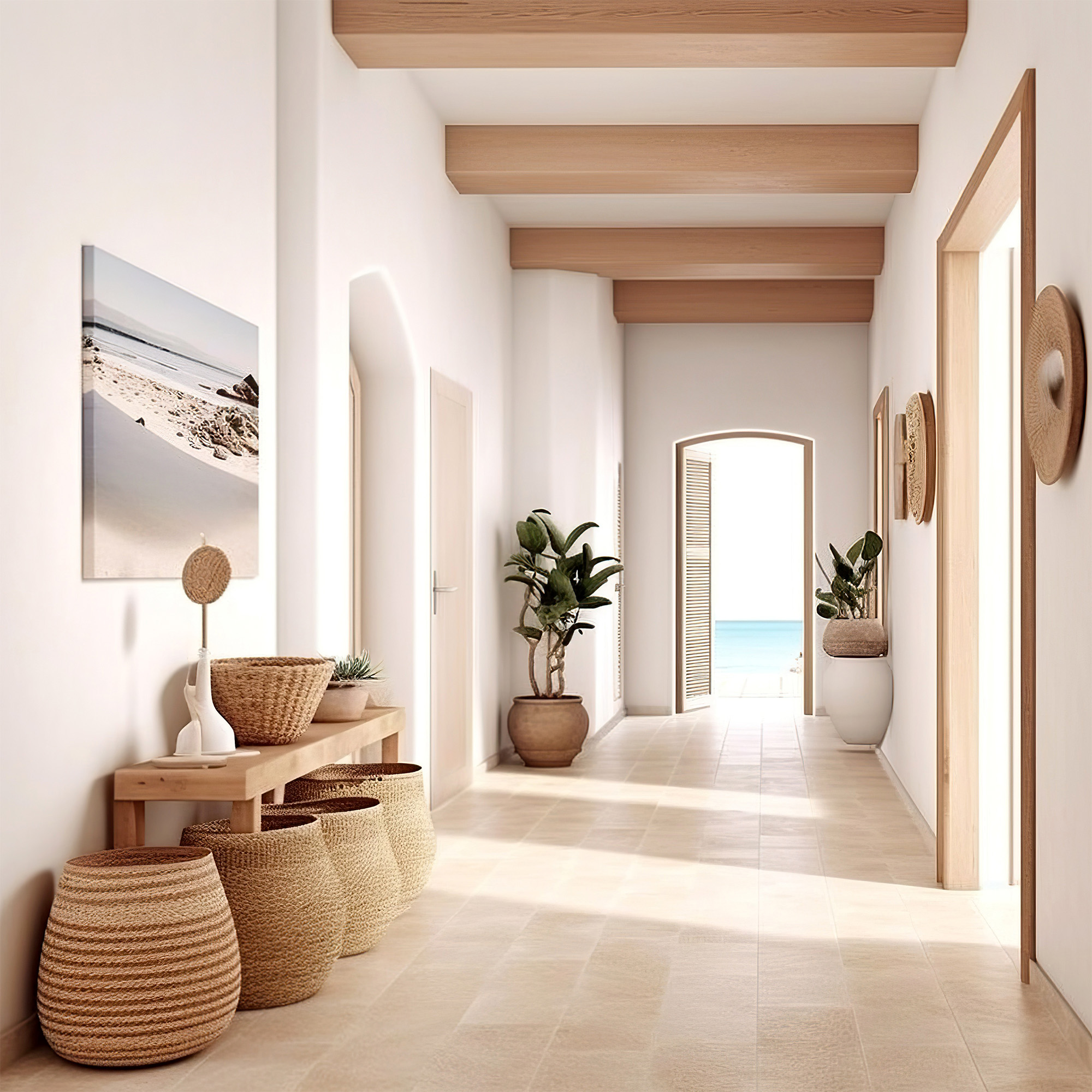
In Vermont, the entryway has an important job. During the warmer months, it welcomes family members and visitors into the home. When winter arrives, it becomes the first place where snow-covered boots, wet coats, road salt, sand, and melting ice need to be managed. A well-designed entrance should make this daily transition easier while creating a welcoming first impression.
Tile flooring is worth considering for entryways and mudrooms because it offers a wide range of styles and product types designed for different residential applications. It can create a durable-looking surface, introduce natural stone or contemporary design details, and help establish a practical zone between the outdoors and the rest of the home.
However, not every tile is appropriate for an entryway. Surface texture, slip resistance, grout, tile material, installation quality, and maintenance all matter. Homeowners should look beyond appearance and choose a product that suits the conditions it will encounter throughout a Vermont winter.
Why the Entryway Deserves Its Own Flooring Plan
The entryway experiences a different type of activity from most other rooms. It collects debris from outside, receives moisture from wet footwear, and often has a concentrated amount of foot traffic within a relatively small area.
When the same flooring continues directly from the entrance into a living room, these conditions can affect a larger part of the home. Creating a defined tile area can help establish a practical transition zone where footwear can be removed and outdoor materials can be managed before people move further inside.
This does not mean the entryway has to look separate from the rest of the home. Tile can be selected to complement the adjoining hardwood or luxury vinyl, creating a coordinated appearance while giving the entrance its own practical identity.
A thoughtful layout can also make room for a bench, coat hooks, storage baskets, and boot trays. The flooring becomes part of a complete entryway system rather than an isolated design decision.
Porcelain and Ceramic Tile: What Should You Consider?
Porcelain and ceramic are two common tile categories, but they have different material characteristics. Porcelain is generally denser and has lower water absorption than standard ceramic tile. This makes it a popular choice for areas where moisture performance is an important consideration.
Ceramic tile offers a wide range of colors, patterns, and finishes. It can be suitable for many residential applications, depending on the specific product and its ratings. Homeowners should check whether a tile is approved for floor use and appropriate for the conditions in the intended room.
For an entryway, it is particularly important to review the product's slip-resistance information. A polished tile may look attractive, but a surface that becomes slippery when wet may not be the best choice for an entrance exposed to snow and moisture.
Porcelain and ceramic should not be selected based on material name alone. Surface finish, intended application, maintenance requirements, and installation recommendations all need to be considered.
Choose a Surface That Makes Sense When Wet
One of the most important considerations for a Vermont entryway is how the tile behaves when people walk across it with wet footwear. Snow and melting ice can leave a thin film of moisture on the floor, increasing the importance of choosing an appropriate surface.
Matte and textured finishes may be worth exploring because they can offer a different level of traction from highly polished surfaces. However, appearance alone does not establish slip resistance. Homeowners should ask for the product's available performance information and confirm that it is suitable for the intended use.
It is also useful to consider the type of footwear commonly worn in the home. Heavy winter boots can carry water, grit, and salt, while smooth-soled shoes may interact differently with the surface.
No tile should be treated as completely slip-proof. Entry mats, prompt cleanup, and sensible footwear habits remain important even when an appropriate tile is selected.
Large-Format Tile or Smaller Patterns?
Tile size can have a noticeable effect on the appearance of an entryway. Large-format tiles create a more continuous look with fewer grout joints across the floor. They can be especially effective in larger mudrooms or entrances that connect directly to open living spaces.
Smaller tiles offer more opportunities for pattern and detail. Mosaic formats, geometric arrangements, and traditional layouts can create a distinctive entrance that feels connected to the home's architectural style.
A smaller tile may also provide more grout joints, which can influence the overall traction characteristics of the installed floor. However, grout lines should not be treated as a substitute for selecting a tile surface with suitable slip-resistance properties.
The room's dimensions should guide the decision. A large tile may require significant cutting in a narrow entrance, while a smaller pattern may create more visual detail than the space needs. A layout plan helps determine the best starting point and how the tiles will meet doorways, walls, and adjoining flooring.
Color Choices That Make Winter Maintenance Easier
Tile color can influence how noticeable dirt, salt residue, and water marks become. Very dark surfaces may show lighter salt deposits, while extremely light surfaces may make darker debris more visible.
Natural stone-inspired colors, medium neutrals, and subtle patterns can offer a balanced appearance. Warm gray, taupe, beige, and earthy tones can complement a wide range of interior finishes while introducing enough variation to make everyday debris less visually prominent.
Pattern variation can also be useful. A tile with subtle movement may disguise small amounts of dust better than a completely uniform surface, although regular cleaning is still necessary.
Consider the entryway's lighting as well. A space with limited natural light may benefit from a lighter tile, while a bright entrance can accommodate deeper colors or more pronounced patterns. Samples should be viewed alongside the wall color, trim, cabinetry, and adjoining flooring.
Do Not Underestimate the Importance of Grout
Grout is an important part of a tiled entryway. It affects the visual appearance of the floor and requires appropriate maintenance, especially in a space exposed to outdoor debris and moisture.
A grout color that closely matches the tile can create a more continuous appearance. A contrasting grout can emphasize the tile pattern and make the layout more prominent. The choice should consider both design and cleaning expectations.
Grout products have different properties and maintenance requirements. Some may require sealing, while others have different recommendations. Homeowners should follow the manufacturer's instructions for cleaning and protection rather than assuming that all grout should be treated in the same way.
Joint width also matters. It should be appropriate for the tile's dimensions, variation, and installation requirements. Large-format tile does not mean grout joints can simply be eliminated.
Plan Storage Around the Tiled Area
A practical entryway needs more than a suitable floor. It should also provide a convenient place for the items that arrive with people every day.
A bench gives household members somewhere to sit while removing boots. Hooks can keep coats and bags off the floor, while baskets or cabinets can organize hats, gloves, and other seasonal accessories.
Boot trays are particularly useful during winter because they provide a designated location for wet footwear. They can help prevent water and salt from spreading across the tiled surface and into adjoining rooms.
Storage should be positioned so that it does not obstruct the main path through the entrance. A narrow entry may need vertical storage and compact furniture, while a larger mudroom may have room for individual storage areas for different household members.
When the storage and flooring are planned together, the entryway becomes easier to manage throughout the year.
Make the Transition to Hardwood or Luxury Vinyl Look Intentional
Many homes use different flooring materials in the entrance and main living areas. Tile may be selected for the mudroom, while hardwood or luxury vinyl continues into the adjoining hallway or living room.
The transition between these materials should be considered before installation. Differences in thickness can create changes in floor height, and the edge detail needs to be appropriate for both surfaces.
Color coordination can help the transition feel natural. A stone-inspired tile with warm neutral tones may complement a natural oak hardwood floor, while a more contemporary gray-beige tile could work with a variety of luxury vinyl designs.
The transition should not feel like an abrupt design interruption. A carefully planned meeting point can create a subtle boundary that supports the practical purpose of the entrance while preserving the visual flow of the home.
Winter Care for Tile Entryways
Even a suitable tile needs regular care. Snow, road salt, and grit should be removed before they accumulate. Sweeping or vacuuming helps prevent abrasive particles from being tracked across the surface, while prompt cleanup reduces the chance of residue building up.
Use cleaning products recommended for the specific tile and grout. Some natural stone products have different care requirements from porcelain or ceramic, and unsuitable cleaners may damage certain finishes or grout materials.
Place absorbent mats where wet footwear is removed, and clean them regularly. If water collects around the entrance, dry the area promptly and check that the mats themselves are not creating a slipping hazard.
Seasonal maintenance is easier when the entryway has a clear routine. A designated place for boots, regular floor cleaning, and suitable mats can help keep the entrance presentable throughout the winter.
Design an Entryway That Welcomes Every Season
A well-planned tile entryway can make everyday life more manageable while giving the home a more considered first impression. The right product should balance appearance, surface characteristics, tile size, grout selection, and maintenance requirements. Storage and transitions to adjoining flooring are equally important parts of the design.
Explore the tile flooring collection at Elegant Floors to compare styles, finishes, and formats for your entryway or mudroom. If you are planning a renovation or need help selecting tile for a high-traffic area, visit the contact page to discuss your project.
Whether you are updating an entryway in Shelburne, improving a mudroom in Colchester, renovating a home in South Burlington, or planning a practical entrance in Charlotte or Williston, the right tile can help your home handle Vermont's changing seasons. With a thoughtful layout, suitable surface, and organized storage, your entryway can be both welcoming and ready for the demands of winter.